Glow Up: Why RGB Lighting Has Become the Soul of the Modern Vape Mod

Photo: European Space Agency, CC BY-SA 3.0 igo, via Wikimedia Commons
If you've spent any time around gaming setups, you already know that RGB lighting stopped being a novelty somewhere around 2016. These days, if your keyboard, mouse, headset, and PC case aren't all synced to a pulsing violet wave pattern, are you even really gaming? That same ethos — the idea that personalization through light is a form of identity — has quietly migrated into the vaping world, and honestly? It fits perfectly.
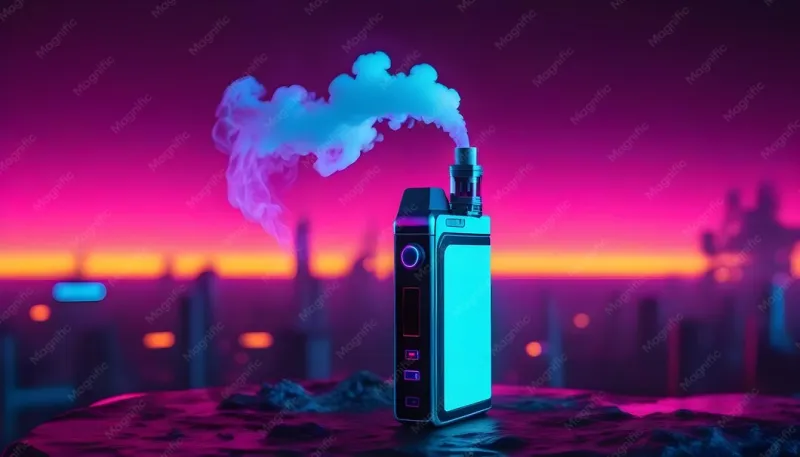
Premium vape mods are now shipping with multi-zone LED arrays, companion apps for color programming, and lighting modes that would make a Corsair engineer nod in appreciation. For the tech-forward crowd here at Geek Bar Vapes, this isn't just about looking cool at a convention. There's some genuinely interesting engineering happening under the hood.
From Single LEDs to Full Light Shows
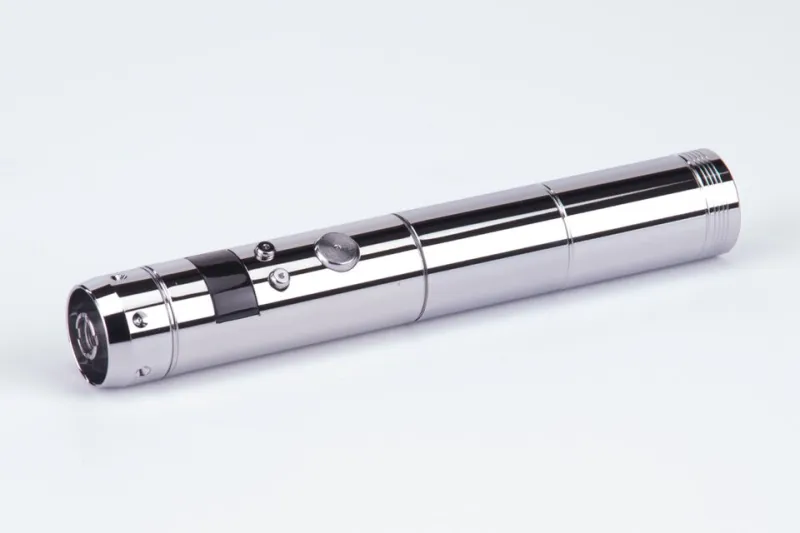
Cast your mind back to the early days of box mods. If you were lucky, your device had a tiny status LED — usually red for low battery, green for charged. That was it. Functional, sure. Exciting? Not remotely.
The shift started happening as manufacturers began courting the same demographic that was already spending serious cash on gaming peripherals. Companies like GeekVape, Voopoo, and Lost Vape started experimenting with addressable RGB strips embedded along device edges and fire buttons. Early implementations were basic — a handful of preset colors, maybe a breathing effect — but the community's response was loud and clear: give us more.
Today, flagship mods can feature anywhere from four to sixteen individually addressable LED zones. Some devices use high-density SMD (surface-mount device) LED clusters capable of rendering millions of color combinations. The Voopoo Drag line, for instance, became a community favorite partly because its side-panel lighting could be tuned through a companion app to match whatever aesthetic a user was going for — whether that's a cyberpunk neon teal or a deep crimson that matches a custom resin panel.
RGB as Functional Feedback, Not Just Flash
Here's where things get genuinely interesting for the tech crowd: programmable lighting in modern mods isn't purely decorative. Manufacturers have started tying LED behavior to real-time device data, turning your vape into something closer to a wearable status display.
Battery level indication through color gradients is now standard on higher-end devices. A green-to-yellow-to-red fade as your battery drains gives you an at-a-glance read without pulling up a menu. Some mods go further, using rapid strobe patterns to flag specific error states — short circuits, atomizer resistance warnings, or temperature runaway alerts — essentially giving users a visual language for device health.
Wattage modes can also trigger distinct lighting profiles. Running in temperature control mode? Your mod glows blue. Switching to wattage mode flips it to orange. It sounds small, but when you're mid-session and don't want to squint at a tiny screen, having that ambient color cue is surprisingly useful.
Modders in online communities like Reddit's r/Vaping and various Discord servers have taken this concept even further, with some building custom firmware patches that tie LED patterns to puff counters or session timers. It's the kind of tinkering that feels right at home for anyone who's ever spent a weekend flashing custom ROMs.
The Modding Community's Most Impressive Builds
If you really want to see what's possible, you have to look at what the DIY community is doing. Some of the most jaw-dropping builds circulating on Instagram and YouTube channels dedicated to vaping culture feature mods that have been stripped, rewired with aftermarket LED strips, and rebuilt with custom acrylic or resin panels specifically designed to diffuse light in particular ways.
One builder known online as "NeonRig_KC" out of Kansas City gained a significant following for his translucent stabilized wood panel mods, where the natural grain of the wood acts as a light guide, creating an organic, almost bioluminescent glow effect. Another popular creator in the Pacific Northwest, who goes by "VoltCraft Vapes," specializes in mods that sync via Bluetooth to Spotify, pulsing the LED array in rhythm with whatever's playing. It's absolutely absurd. It's also absolutely awesome.
Manufacturers are paying attention. Several companies have confirmed in community Q&A sessions that user-generated content featuring RGB customization consistently outperforms standard product photography in terms of engagement. The aesthetic is shareable in a way that a plain black box mod simply isn't.
Why This Trend Hits Different for Tech Users
There's a psychological component worth acknowledging here. For a lot of people in the tech-enthusiast space, personalization is a core part of the hobby. The same impulse that drives someone to spend three hours perfecting their desktop wallpaper rotation or building a custom mechanical keyboard with hand-lubed switches is what makes RGB vaping so compelling.
Your vape mod is something you carry with you everywhere. It's more visible than your PC build, more personal than your phone case. Having it reflect your aesthetic — whether that's a subtle, slow-breathing amber glow or a full chaotic rainbow cycle — is a form of self-expression that resonates with a community that's always looking for the next level of customization.
It also helps that the barrier to entry has dropped considerably. Entry-level mods with at least basic RGB functionality are now available in the $40–$60 range, meaning you don't have to drop serious money just to get in on the glow.
What's Next for Vape Lighting Tech
The trajectory seems to be pointing toward tighter ecosystem integration. A few manufacturers have already teased syncing capabilities with smart home platforms — imagine your mod's lighting automatically shifting to match your Philips Hue setup when you walk into a room. Whether that ever becomes mainstream is an open question, but the direction is clear.
There's also growing interest in OLED-adjacent display technology being used not just for information readouts but for ambient light emission, blurring the line between screen and lighting system entirely.
For now, though, the RGB rabbit hole is deep, it's colorful, and the community down here is having a genuinely great time. Whether you're into subtle functional feedback or full-on light show territory, there's never been a better time to let your mod shine.