Beyond the Box: Inside the Wild World of Custom Vape Mod Fabrication
Photo: , CSIRO, CC BY 3.0, via Wikimedia Commons
There's a moment every serious vaping enthusiast eventually hits. You've dialed in your coil build, you've flashed custom firmware, you've tuned your wattage curve to perfection — and then you look down at the same injection-molded rectangular slab that a million other people are holding. That's the moment the custom enclosure itch starts.
Across Reddit threads, Discord servers, and niche maker forums, a community of fabricators has been quietly doing something remarkable: gutting stock vape mods and rebuilding them inside handcrafted housings that range from elegantly minimalist aluminum machined shells to gloriously chaotic Game Boy Color conversions. These aren't novelty props. They're fully functional, daily-driver devices that just happen to look like nothing you'd find on any retailer's shelf — including ours.
This is the vape mod endgame. And it's a lot more technically demanding than it looks.
Why Bother? The Philosophy Behind the Build
Before we get into drill bits and resin pours, it's worth asking the obvious question: why go through all this trouble when perfectly capable hardware is already available?
For most custom builders, the answer is the same one you'd get from a PC case modder or a mechanical keyboard enthusiast. The finished device is almost secondary to the process of building it. There's genuine satisfaction in holding something that didn't exist before you made it — something that solves problems the factory version never addressed, fits your hand differently, or tells a story through its aesthetic that a mass-produced product simply can't.
There's also a strong community identity angle here. In a hobby where a lot of gear is starting to look interchangeable, a custom build is an immediate conversation starter. It signals a level of commitment and technical literacy that carries real weight in enthusiast circles.
The Technical Foundation You Actually Need
Let's be direct: custom vape mod fabrication is not a beginner project. If you're still getting comfortable with Ohm's law and battery safety fundamentals, build that knowledge base first. Modding enclosures means working in close proximity to high-drain lithium cells, and the margin for error is unforgiving.
That said, the skill set required isn't as exotic as it might seem. Most successful builders come from one of a few overlapping backgrounds:
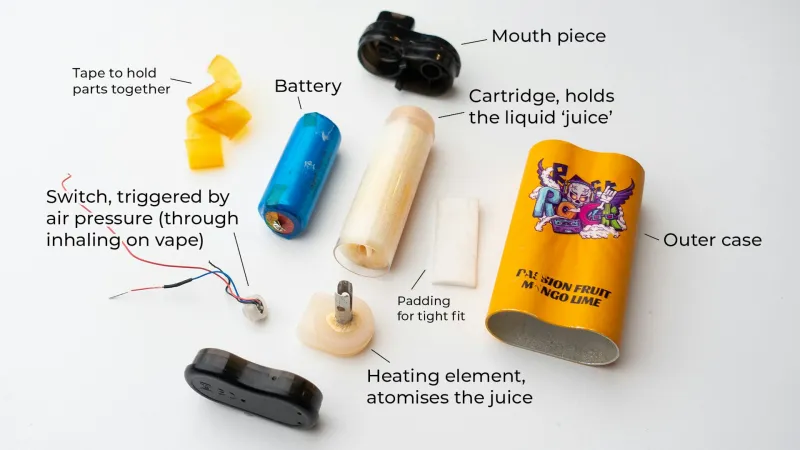
Electronics hobbyists who are already comfortable with soldering, reading circuit diagrams, and understanding how regulated boards communicate with batteries will find the transition relatively natural. The core internals of most mods — a chipset board, a 510 connector, a battery, a fire button switch — are modular enough to be relocated into a new housing without major rewiring, provided you plan your layout carefully.
3D printing enthusiasts have a massive advantage in this space. The ability to design and iterate enclosures in CAD software, then print test fits in cheap PLA before committing to a final material, compresses the prototyping cycle enormously. Programs like Fusion 360 are the current community favorites, and there's a growing library of open-source vape enclosure designs on Thingiverse and Printables that you can use as a starting point or gut entirely for your own vision.
Woodworkers and metalworkers bring a different but equally valuable skill set. Some of the most visually striking custom mods out there are hand-carved stabilized wood pieces or machined aluminum chassis that would look at home in a high-end industrial design portfolio.
Materials: What Works, What Doesn't
Not every material that looks cool is appropriate for a device that generates heat and lives in your pocket. Here's a quick breakdown of what the community has learned through trial and (occasionally literal) error:
PETG and ABS are the go-to 3D printing materials for functional enclosures. PLA looks great in renders but has a low heat deflection temperature that can cause problems over time. PETG hits a solid middle ground between ease of printing and real-world durability. For anything that will sit near the battery or board, ABS or ASA is the smarter call.
Resin casting opens up incredible aesthetic possibilities — you can embed objects, create translucent panels, add color gradients — but requires careful attention to wall thickness and structural integrity. Resin builds are often paired with an internal aluminum or acetal frame that handles the structural load while the resin does the visual heavy lifting.
Aluminum and brass are popular among machinists and offer the best combination of heat dissipation, durability, and premium feel. The barrier to entry is higher — you need access to a lathe or mill, or you're outsourcing to a machine shop — but the results are genuinely exceptional.
Retro gaming shells (Game Boys, old Atari joysticks, vintage calculators) represent their own category entirely. These builds require careful internal measurement, creative bracket fabrication to mount the mod's guts into a housing that was never designed to hold them, and a willingness to permanently modify a piece of gaming history. The community is somewhat divided on the ethics of sacrificing original hardware, which is a fair conversation to have.
The Legal and Safety Landscape
This is the part of the article where we have to get serious for a minute, because it matters.
In the US, the FDA regulates vaping products under its tobacco product authority, and that framework gets complicated when you're building custom devices. Selling a custom-built mod — even a one-off — can potentially put you in a gray zone that's worth understanding before you start taking orders from your Discord followers. Building for personal use is a different conversation than commercial distribution, but if you're planning to monetize your craft, a conversation with a lawyer who understands FDA regulatory compliance is a genuinely worthwhile investment.
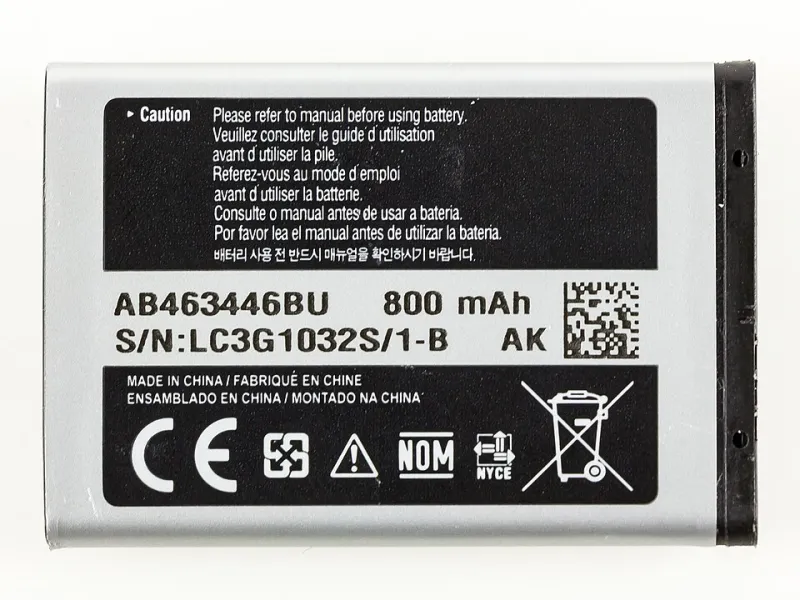
On the safety side, the community has developed a set of hard-won best practices. Always use a regulated board from a reputable source rather than building unregulated devices unless you have deep electrical engineering experience. Never modify the battery itself. Test your 510 connection torque and continuity before firing. And always, always use batteries with appropriate CDR ratings for your intended wattage.
The custom mod community's safety culture is actually quite strong — experienced builders are typically very willing to review builds and flag issues before someone fires up a questionable device.
The Builders Worth Knowing
Without naming names in a way that dates this piece, the community spaces worth finding are the r/OpenPV and r/DIY_ecigarette subreddits, the ECF (E-Cigarette Forum) hardware sections, and a handful of Discord servers that have grown up around specific chipsets and platforms. YouTube channels dedicated to squonk mod fabrication and DNA chip installations have built real audiences among enthusiasts who want to learn by watching before they start cutting.
What you'll find in these spaces is a genuinely collaborative culture. People share templates, troubleshoot builds, and celebrate finished projects with the same energy you'd find in any other serious maker community. The aesthetic range is wild — steampunk brass pieces sitting next to cyberpunk acrylic builds sitting next to dead-simple minimalist aluminum boxes — and that diversity is exactly what makes the space compelling.
Is This Build for You?
If you've got CAD skills, some soldering experience, and a tolerance for iterative failure, custom enclosure building is one of the most rewarding rabbit holes in the vaping hobby. The learning curve is real, but the payoff — a device that is genuinely yours in a way no off-the-shelf product can be — is hard to replicate.
Start small. Grab a cheap regulated board, design a simple two-piece enclosure in Fusion 360, print it in PETG, and see how the internals fit. You'll learn more from that first rough prototype than from hours of forum reading. Then iterate. Then iterate again.
The endgame isn't a finished device. It's the next build.