Ghost Hits: The Neuroscience of Why Your All-Day Vape Stopped Tasting Like Anything
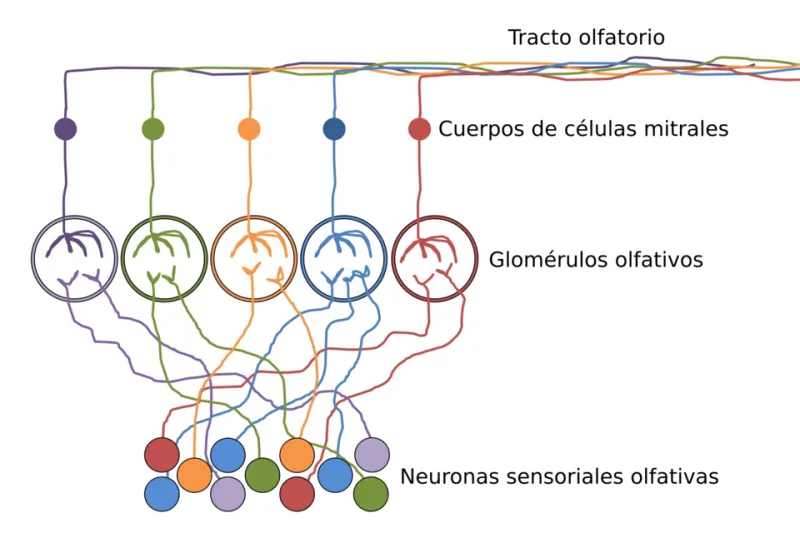
Photo: Noodle brain de la traducción Ortisa, CC BY-SA 4.0, via Wikimedia Commons
You know the feeling. You grab a bottle of that strawberry custard you've been hyping to everyone in your Discord server, load it up, take a rip — and it's perfect. Creamy, bright, layered. You're basically a flavor sommelier at this point.
Then four hours later you're pulling ghosts. Not literally, but your vape might as well be producing flavored air. The custard is gone. The strawberry checked out. You're inhaling what might be faintly sweet vapor if you squint with your taste buds.
What happened?
Short answer: your brain did it. Long answer: buckle up, because this one goes deep into neurochemistry territory.
Your Nose Is Running the Show (And It Got Bored)
Here's the thing most vapers don't realize — flavor isn't primarily a tongue phenomenon. Your taste buds handle the basics: sweet, salty, bitter, sour, umami. The complexity of flavor, the stuff that makes a strawberry custard taste like strawberry custard and not just "sweet," comes from your olfactory system.
When you exhale vapor, aromatic compounds travel up through the back of your throat and hit your olfactory epithelium — a patch of sensory tissue packed with roughly 400 types of olfactory receptors sitting at the top of your nasal cavity. These receptors send signals to your olfactory bulb, which routes them into the brain's limbic system. That's where flavor perception actually lives.
The problem is that your olfactory receptors are adaptive. They're designed to stop firing in response to a continuous stimulus. This is called olfactory habituation, and it's the same mechanism that makes you stop noticing the smell of your own house about 30 seconds after you walk in the door.
Repeat the same aromatic input long enough, and the receptor cells essentially go quiet. They haven't stopped working — they've just deprioritized that specific signal as non-novel. Your brain, ever the efficiency nerd, decided the information wasn't worth processing anymore.
The Neurochemistry of Fade
At the cellular level, olfactory habituation involves a process called receptor desensitization. When an odorant molecule binds to a receptor, it triggers a cascade involving cyclic AMP (cAMP) and calcium ions. Sustained stimulation causes a negative feedback loop — calcium ions activate calmodulin, which reduces the receptor's sensitivity to further stimulation.
In plain English: your receptors literally become less responsive to the same smell the longer they're exposed to it. This isn't damage. It's not permanent. It's just your nervous system doing what it's built to do — filter out background noise.
For vapers, this means your all-day vape (ADV) is working against you on a biological level. The more consistently you vape the same flavor, the more aggressively your olfactory system habituates to it. You're not imagining the fade. The sensory signal is genuinely diminishing.
Which Flavor Families Fade the Fastest
Not all e-liquid profiles are equally vulnerable. Some flavor categories are biochemically more prone to rapid habituation than others, and it comes down to the volatility and molecular complexity of their aromatic compounds.
High-fade flavor families:
- Fruits (especially single-note) — Simple esters like ethyl maltol and isoamyl acetate are highly volatile and receptor-saturating. A plain strawberry or watermelon liquid will ghost out fast.
- Menthol and mint — Menthol activates TRPM8 cold receptors in addition to olfactory receptors. Ironically, this dual stimulation accelerates adaptation because you're habituating two separate sensory pathways simultaneously.
- Candy and sugary profiles — Heavy sweetener content (typically sucralose) can coat the tongue and reduce taste bud sensitivity over time, compounding the olfactory fade with gustatory dulling.
Lower-fade flavor families:
- Complex desserts and bakeries — Layered profiles with multiple aromatic compounds (vanillin, ethyl butyrate, diacetyl alternatives, cinnamic esters) keep different receptor populations cycling, slowing overall habituation.
- Tobacco and earthy blends — Woody, smoky, and earthy notes involve aromatic compounds that interact with a broader range of receptor types, creating a less uniform saturation effect.
- Beverage profiles with citrus or herbal notes — Terpenes like limonene and linalool tend to have slightly longer perceptual windows before fade kicks in.
Does Premium Juice Actually Last Longer?
This is the question every vaper with an expensive taste and a budget to justify asks eventually. The honest answer is: kind of, but not for the reasons marketing suggests.
High-quality e-liquids from reputable manufacturers tend to use more complex flavor formulations — multiple aromatic compounds working in concert rather than a single dominant note. That complexity actually does slow the habituation curve, because your olfactory system habituates to specific molecular patterns. A simple profile saturates its associated receptors quickly. A layered profile keeps more receptor populations engaged for longer.
That said, no juice — regardless of price point — defeats olfactory adaptation indefinitely. You're fighting neuroscience, not a quality control problem.
Practical Strategies for Resetting Flavor Perception
The good news is that olfactory habituation is reversible. Your receptors recover. The question is how to accelerate that process and build better vaping habits around it.
Rotate your liquids aggressively. Flavor rotation is the single most effective countermeasure. Switching between at least three to four distinct flavor families throughout the day prevents any single aromatic profile from dominating long enough to trigger deep habituation. Think of it like tab-switching for your olfactory system.
Use palate cleansers strategically. Sniffing freshly ground coffee beans is the classic sommelier trick — it works by introducing a complex, novel olfactory stimulus that essentially "resets" the receptor baseline. Unflavored sparkling water between sessions also helps clear the palate physically and gives your taste buds a break from sweetener buildup.
Build in unflavored breaks. Some experienced vapers keep an unflavored or lightly flavored base liquid around specifically for palate recovery. Vaping something neutral for 15-20 minutes can help receptor sensitivity bounce back before you return to your main flavor.
Give your nose a genuine rest. If you've been chasing a ghost hit for two hours, the most effective fix is to just stop vaping that flavor for a few hours. Let your olfactory receptors fully desensitize and recover. Come back to it after dinner. You'll be surprised how hard it hits again.
Stay hydrated. Dehydration thickens the mucus layer over your olfactory epithelium, reducing how efficiently aromatic molecules reach your receptors. Dry mouth from propylene glycol compounds this. Drink water. Seriously.
The Takeaway for the Flavor-Obsessed Vaper
Flavor fatigue isn't a defect in your juice, your hardware, or your coils (though those can contribute — a gunked coil is a separate problem entirely). It's your brain doing exactly what evolution designed it to do: ignore the familiar, stay alert for the new.
The smartest vapers treat their flavor collection less like a single favorite song on repeat and more like a playlist. Variety isn't just about preference — it's a biologically sound strategy for keeping your sensory experience sharp. Rotate hard, cleanse often, and when the ghost hits start rolling in, take it as your nervous system asking for something different.
Your flavor perception is a piece of hardware too. It just needs a different kind of maintenance.