Loud and Proud: Why the Geekiest Vapers Refuse to Hide Their Setups
Walk into any serious vaping community online — Reddit threads, Discord servers, the comment sections of YouTube build channels — and you'll notice something that shouldn't make sense on the surface. The people who understand the technology most deeply, who can quote Ohm's Law from memory and debate the thermal conductivity of different coil materials, are often the same people rocking setups that look like they were assembled by a cyberpunk prop designer on a deadline.
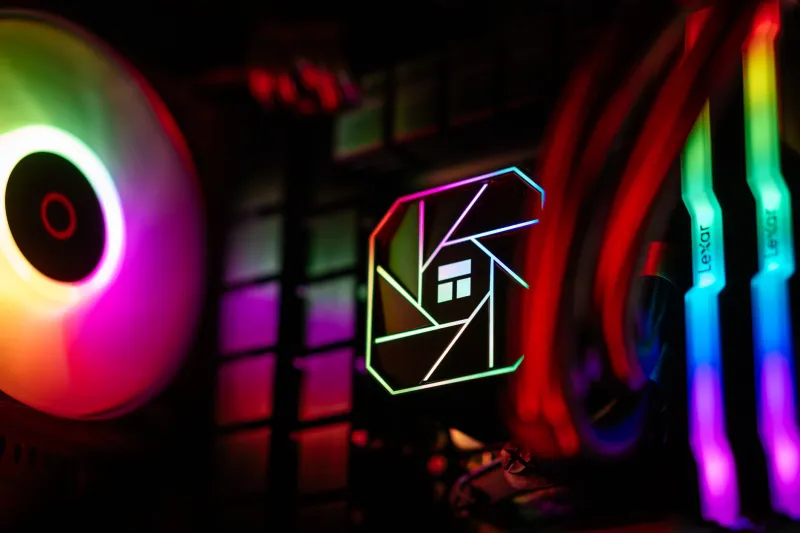
We're talking full RGB panels. Custom-machined aluminum shells. OLED displays showing real-time wattage graphs. Resin drip tips in colors that don't exist in nature. These aren't accidental aesthetic choices. They're statements. And they're coming from a community that, theoretically, has every reason to keep a lower profile.
So what's going on?
The Discretion Myth
The case for stealth vaping is real and easy to make. Social stigma around vaping in the US has tightened considerably over the last several years. Vaping indoors is restricted in most public spaces. The optics of pulling out a device in a work meeting or a family gathering have gotten complicated in ways they weren't a decade ago. Pod systems and slim, cigarette-sized devices exist precisely because there's demand for something you can use without drawing a crowd.
And yet. The mod market — the segment populated by enthusiasts who actually care about build quality, customization, and performance — keeps trending in the opposite direction. Bigger screens. More RGB. Louder finishes. Limited-edition colorways that reference everything from classic arcade cabinets to deep-space photography.
The discretion argument assumes that vapers primarily want to disappear. For a certain kind of geek, that assumption is just wrong.
Show Your Work
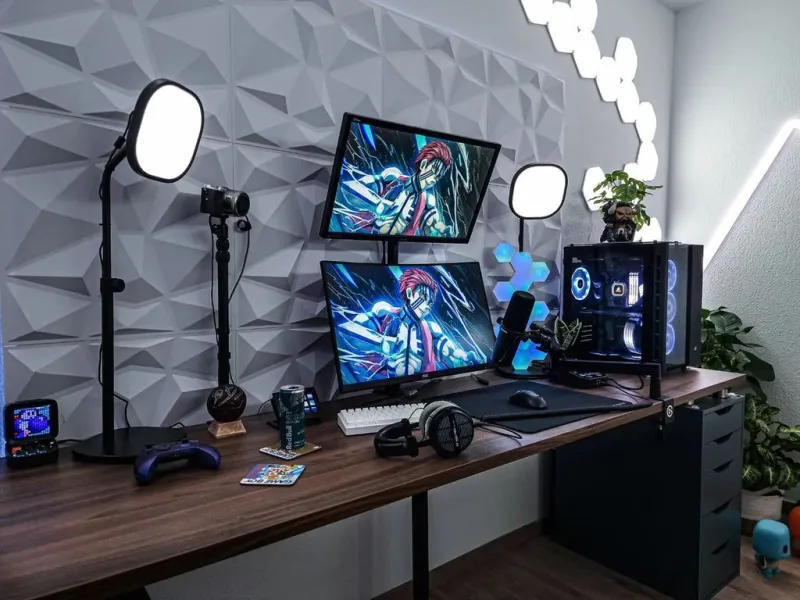
Here's the thing about geek culture that outsiders sometimes miss: it has always been built around visibility. The whole point of modding a PC with a tempered glass side panel isn't to hide the components — it's to show them off. The custom keycap set on a mechanical keyboard isn't just for the typist's hands; it's for everyone who walks by the desk. The carefully curated Funko Pop shelf in the background of a Twitch stream isn't accidental set dressing.
Geek identity, at its core, is performative in the best possible sense. You build something, you understand it deeply, and then you make it visible because the visible thing communicates something about who you are and what you value. It's the same impulse that drives people to wear band tees, put stickers on laptops, or spend forty hours painting a Warhammer army that will live in a display case.
Vaping, for the tech-obsessed enthusiast, fits right into this framework. The mod isn't just a nicotine delivery device. It's a piece of hardware. And hardware, in geek culture, deserves to look like hardware.
The Contradiction Becomes the Point
What's genuinely interesting is how many enthusiasts in this space have stopped trying to resolve the tension between social discretion and aesthetic expression — and started leaning into the contradiction itself.
Talk to builders in the custom mod community and you'll hear a version of the same thing over and over: the stigma is going to exist whether the device is subtle or loud, so why pretend otherwise? If someone's going to clock you as a vaper regardless, you might as well be vaping something that looks like it came out of a sci-fi prop house.
There's almost a defiant logic to it. The ostentatious build isn't a failure to manage perception — it's a refusal to try. It reframes the whole conversation. Instead of apologizing for the hobby, it dares the onlooker to ask questions. And in a community that genuinely loves talking about its hardware, that's not a bad outcome.
Nerd Identity as Aesthetic Armor
There's also something worth unpacking about how geek identity functions as social insulation. If your setup is clearly, aggressively referencing something — a retro game console color palette, a circuit board aesthetic, a famous sci-fi franchise — it stops being just a vape mod and becomes a conversation piece with a specific audience in mind. You're not broadcasting to everyone; you're signaling to your people.
This is how a lot of geek aesthetics work. The obscure band tee isn't trying to impress the whole room. It's fishing for the one person who recognizes it. The custom mod covered in pixel art isn't trying to pass scrutiny at a corporate lunch — it's trying to get a knowing nod from the guy at the next table who immediately gets the reference.
In that framing, the visibility isn't a bug. It's a highly targeted feature.
The Build as Portfolio
For a subset of the community, the elaborate setup serves a function that goes beyond identity signaling entirely — it's documentation of skill. Custom shell fabricators, coil builders who post macro photography of their finished work, people who hand-paint resin panels or design their own 3D-printed accessories: these folks are building portfolios as much as they're building vaping hardware.
The "show your work" ethic is baked into maker culture at every level. You don't spend thirty hours machining a custom mod housing just to keep it in your pocket. You photograph it. You post it. You explain your process. The visibility of the finished product is inseparable from the value of having made it.
And frankly, some of these builds are genuinely impressive as objects — the kind of thing that would look at home in a tech art installation or a maker faire showcase. The fact that they also happen to function as vaping devices is almost secondary.
Living With the Paradox
None of this means the stealth camp is wrong. Pod systems and low-profile devices have their place, and plenty of thoughtful enthusiasts prefer to keep their hobby quiet for reasons that are completely legitimate. The two approaches can coexist without either one needing to win.
But the persistence of the loud, unapologetic, aggressively customized mod in a culture that has every structural reason to trend toward discretion says something real about the people building them. They're not ignoring the social dynamics — they've just decided those dynamics aren't the most important thing.
For the geeks who've embraced the contradiction, the message is pretty clear: this is who I am, this is what I build, and if you want to talk about it, I've got all day.
The vape is visible. That's the whole point.