Bench Test Your Rig: Running GPU-Style Diagnostics on Your Vape Mod
If you've ever spent a weekend watching GPU benchmark videos before pulling the trigger on a new graphics card, congratulations — you already have every skill needed to evaluate a vape mod like an engineer instead of a consumer. The mindset transfers perfectly: measure, compare, repeat. The only difference is that nobody's publishing standardized vape benchmarks yet. So let's build the methodology ourselves.
Why Vaping Needs Its Own 3DMark
The vape industry runs on the same marketing playbook as the PC hardware world: big numbers on the box, vague claims in the spec sheet. "200W max output" means about as much as "8K gaming ready" without context. What actually matters is how a mod performs under real conditions — how fast it fires, how consistently it holds power, and how it behaves when you push it.
PC enthusiasts solved this decades ago with standardized tests. Time to bring that discipline home.
Test One: Fire Button Latency
This is your "time to first frame." Fire latency is the gap between pressing the button and the coil actually starting to heat. Cheap mods can lag 100 milliseconds or more behind premium ones, and yes, you can feel it.
What you need: A phone with slow-motion video (most modern iPhones and Androids shoot 240fps, which gives you roughly 4ms resolution) and a bright light source.
Method: Record yourself firing the mod at 240fps. Count frames between the button press and the first visible glow from the coil. Run five trials, toss the outlier, average the rest.
A good mod fires in under 20ms. Anything approaching 50ms will feel mushy, like a mouse with a bad polling rate.
Test Two: Coil Ramp-Up Time
Ramp-up is your equivalent of a benchmark load time — how quickly the coil reaches operating temperature. This one matters most for temperature control users.
What you need: A cheap USB microscope camera (~$15 on Amazon) or your phone's macro lens, plus the slow-mo setup from Test One.
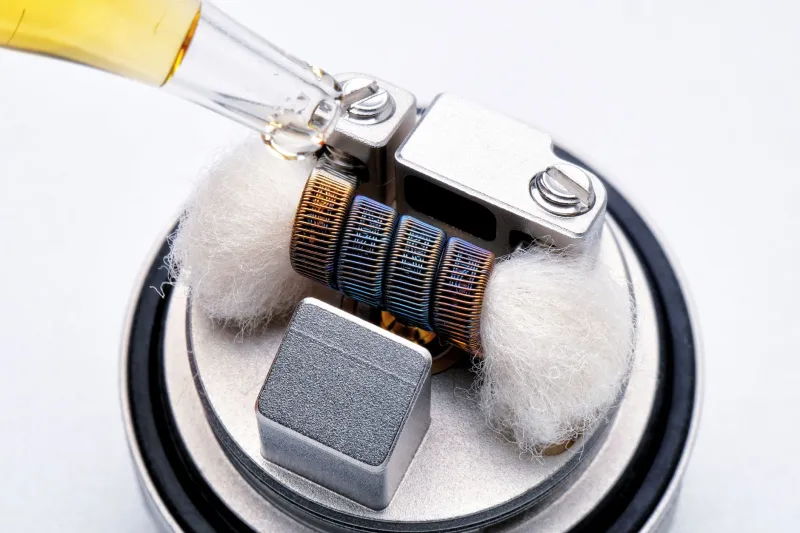
Method: Film the coil at max magnification while firing. Note when the first glow appears and when the entire coil reaches even color. Stainless and nickel builds ramp differently, so only compare like against like. A well-built setup should hit uniform heating in under a second on most wattages.
If your coil lights up from the center outward with hot legs, that's not a mod problem — that's a build problem. Fix your leads before blaming the hardware.
Test Three: Voltage Sag Under Load
This is the vaping equivalent of GPU power throttling — the spec that separates honest batteries from hype.
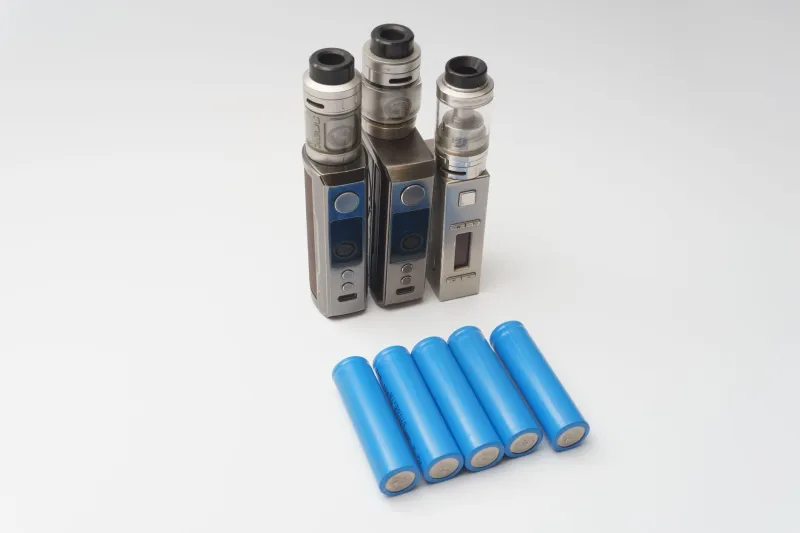
What you need: A $12 USB-C voltage tester inline with your charging cable, or better, a mod with a detailed monitoring screen that displays real-time output. Some third-party apps for Bluetooth-enabled mods will log this data for you.
Method: Note the displayed battery voltage at rest. Fire the mod at your typical wattage for five seconds. Watch how far the voltage drops, then how quickly it recovers. Repeat at 50% charge and 20% charge.
Quality cells sag less and recover faster. If your mod's performance falls off a cliff below 30% battery, that's sag you're feeling — not a dying coil. This test alone will change how you think about "battery life" forever.
Building the Leaderboard
Here's where the community angle kicks in. Once you've got numbers, post them. A simple spreadsheet with device name, firmware version, atomizer, build, and your three test results turns anecdote into data.
Imagine a leaderboard sorted by fire latency. Imagine knowing that the mod you're eyeing has a measured ramp-up 40% slower than your current daily driver, rather than trusting a YouTube reviewer's "it feels snappy." That's the culture we're building here — one data point at a time.
A few ground rules for honest benchmarking:
- Control your variables. Same coil material, same build, same battery charge level across tests.
- Report your conditions. A mod tested at 75W on a 0.15Ω mesh isn't comparable to one at 40W on a 0.5Ω round wire.
- Publish your failures. The most useful benchmark data includes the runs where things went weird.
The Payoff
Does this level of nerdery matter? Ask the same question to someone running a custom loop on a 5800X3D and watch them laugh. Half the fun of this hobby is knowing your rig at a level the marketing department never intended.
More practically, benchmarking flips the power dynamic. When you can measure fire latency and voltage sag yourself, you stop buying based on box art and start buying based on performance. That $90 mod either earns its price with numbers or it doesn't.
So grab your phone, charge your batteries, and fire up the slow-mo camera. Your rig has a benchmark score waiting to be discovered — and the leaderboard has a spot open with your name on it.